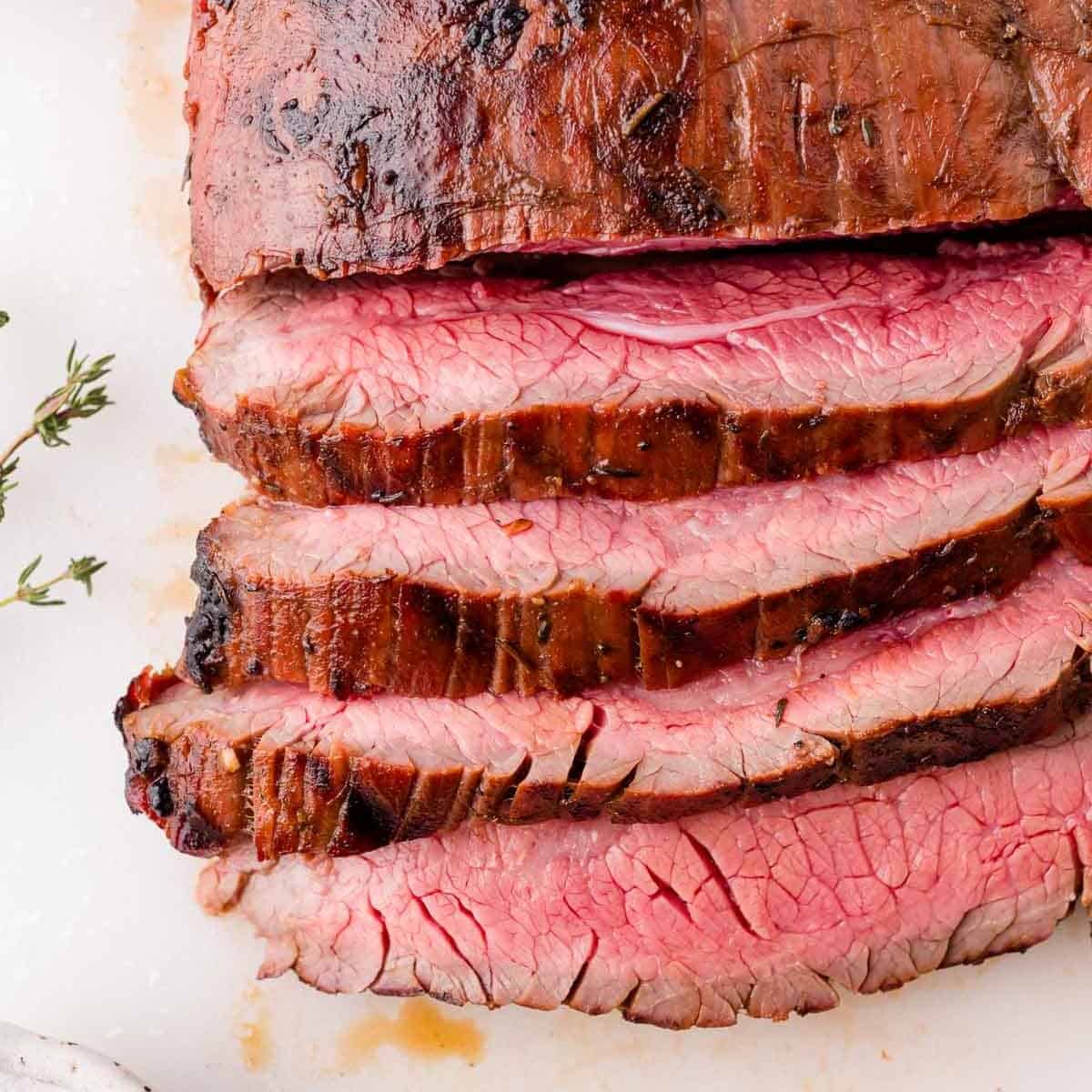
Best Flank Steak Marinade: Turn Tough Cuts Tender & Flavorful
Flank steak, often unfairly stereotyped as a tough cut, is actually a remarkably flavorful and versatile piece of beef. Hailing from the cow’s lower abdominal muscles, it boasts a rich, beefy taste that can elevate any meal. The key to unlocking its full potential – transforming it from potentially chewy to irresistibly tender and juicy – lies in a well-crafted **flank steak marinade**. This simple yet powerful preparation method is your secret weapon for a steak dinner that consistently impresses. Forget everything you thought you knew about flank steak; with the right marinade, you’re just moments away from a succulent, tender, and incredibly flavorful experience.
The Secret Weapon: Why a Flank Steak Marinade Works Wonders
The perception of flank steak as "tough" isn't entirely unfounded. Its muscle fibers are long and lean, meaning that without proper preparation, they can remain unyielding. This is precisely where a good **flank steak marinade** becomes indispensable. Marinades work on multiple levels to tenderize and infuse flavor:
- Tenderizing: Acidic components in the marinade (like citrus juice or vinegar) begin to break down the muscle fibers on the steak’s surface, essentially pre-digesting them. This process, known as denaturation, loosens the meat's structure, making it more tender and easier to chew.
- Flavor Infusion: The liquid nature of the marinade allows a symphony of flavors – from savory soy to bright citrus and sweet sugar – to penetrate the meat. Over time, these flavors seep into the surface layers, ensuring every bite is packed with deliciousness.
- Moisture Retention: Ingredients like olive oil help to coat the meat, forming a barrier that can reduce moisture loss during cooking, resulting in a juicier steak.
Ultimately, a marinade isn't just about adding flavor; it's about fundamentally improving the texture and overall eating experience of your flank steak.
Crafting the Ultimate Flank Steak Marinade: Essential Ingredients
A truly effective **flank steak marinade** doesn't require a long list of exotic ingredients. In fact, some of the best marinades are built on a foundation of just a few key components, each playing a crucial role. Think of these as your building blocks for flavor and tenderness.
The Acid Component: Tenderizer and Brightener
This is perhaps the most critical tenderizing agent in your marinade. Acids work by denaturing proteins, which helps to loosen the muscle fibers.
- Citrus Juices: Freshly squeezed lime or lemon juice are excellent choices, offering a vibrant tang that seasons and tenderizes. Their bright notes also cut through the richness of the beef.
- Vinegars: If citrus isn't on hand, balsamic vinegar or even apple cider vinegar can provide the necessary acidity along with their unique flavor profiles. Balsamic, in particular, adds a lovely depth and touch of sweetness.
Pro Tip: While essential, too much acid or marinating for too long in a highly acidic mixture can start to "cook" the meat (like ceviche), giving it a mealy texture. Aim for balance.
The Umami Powerhouse: Deep Flavor Foundation
Umami, often described as the "fifth taste," adds a rich, savory depth that makes the steak incredibly satisfying.
- Soy Sauce: A cornerstone for many marinades, soy sauce delivers a profound umami punch. Opt for low-sodium soy sauce to control the saltiness, as the steak will absorb a fair amount.
- Tamari: For a gluten-free alternative, tamari is an excellent substitute that offers a similar savory profile.
- Worcestershire Sauce/Fish Sauce: For an extra layer of complexity and a "funkier kick," these sauces can add incredible depth.
The Oil Base: Moisture and Flavor Carrier
Oil plays a dual role: it helps distribute fat-soluble flavors throughout the meat and contributes to moisture retention.
- Extra-Virgin Olive Oil: A high-quality extra-virgin olive oil is perfect here. It helps keep the meat juicy and tender while adding its own subtle, fruity notes.
The Sweet Touch: Balance and Caramelization
A small amount of sweetness rounds out the flavors and aids in achieving that coveted caramelized crust.
- Brown Sugar: Light brown sugar is ideal. Its molasses notes complement beef beautifully, and its sugars promote the Maillard reaction (browning and flavor development) when the steak hits the heat.
- Honey or Maple Syrup: These can also be used for a different sweetness profile.
Aromatics & Flavor Boosters: Elevating Your Marinade
Don't underestimate the power of fresh aromatics to transform your **flank steak marinade** from good to extraordinary.
- Garlic: Freshly minced garlic is almost mandatory for its pungent, savory contribution.
- Ginger: Freshly grated ginger adds a zesty, slightly spicy warmth.
- Scallions: Sliced scallions add a mild oniony bite and freshness.
- Herbs: Dried or fresh herbs like rosemary, thyme, or oregano can introduce an earthy, aromatic complexity.
- Spices: A dash of black pepper, a pinch of red pepper flakes for heat, or even a smoked paprika can further customize your marinade.
Mixing, Marinating, and Mastering Your Flank Steak
Once you've gathered your ingredients for the perfect **flank steak marinade**, the next steps are crucial for ensuring maximum flavor and tenderness.
Preparing Your Flank Steak Marinade
Creating your marinade is incredibly straightforward. Combine all your chosen ingredients in a large bowl and whisk them thoroughly until well combined. The goal is a homogenous mixture where all the flavors can meld.
Next, transfer your flank steak to a marinating vessel. A shallow glass pan or a sturdy zip-top bag works best. Add the steak to the marinade, ensuring it's completely coated. You can gently massage the marinade into the meat to help it penetrate. For a reliable and delicious starting point, consider this
Easy Flank Steak Marinade: Soy, Citrus & Brown Sugar for Grill/Oven – it's a fan-favorite for a reason!
The Magic of Time: How Long to Marinate Flank Steak
This is where patience pays off, but also where overdoing it can be detrimental.
- Minimum Time (30 minutes): Even a short soak will impart surface flavor. This is great if you’re short on time but still want a boost.
- Optimal Time (2-4 hours): For the best balance of tenderizing and flavor penetration without compromising texture, 2 to 4 hours is often ideal.
- Maximum Time (Up to 12 hours): While some recipes suggest overnight marinating, especially for less acidic marinades, be cautious. If your marinade is very acidic, prolonged exposure can make the meat mushy or fibrous. For a quick and efficient approach, check out our guide on Tender Flank Steak in Under 60 Mins: Your Quick Marinade Guide.
Important: Always marinate flank steak in the refrigerator to ensure food safety. Never reuse a marinade that has been in contact with raw meat without boiling it first.
Pre-Cooking Prep: Don't Skip These Steps!
Before your steak even touches the heat, a couple of simple steps can make a world of difference:
- Pat Dry: Once marinating is complete, remove the flank steak and pat it *completely dry* with paper towels. Excess moisture on the surface will steam the meat rather than sear it, preventing that beautiful, flavorful crust.
- Season Lightly: A sprinkle of salt and freshly ground black pepper is usually all that's needed. Remember, your **flank steak marinade** likely contains plenty of soy sauce or other salty components, so go easy on the added salt.
Cooking Flank Steak to Perfection: Hot, Fast, and Rested
The nature of flank steak – lean and relatively thin – dictates a specific cooking strategy: hot and fast. This ensures a beautiful sear while keeping the interior juicy.
Choosing Your Cooking Method
Regardless of the method, aim for high heat to create a delicious crust.
- Grill: The classic choice. A screaming hot grill delivers fantastic char and smoky flavor, perfect for summer cookouts.
- Broiler: An excellent indoor alternative, the broiler mimics the direct high heat of a grill, yielding similar results.
- Cast Iron Skillet: A preheated cast iron skillet on high heat provides an incredibly even and intense sear, creating a rich, flavorful crust.
Temperature and Doneness
The exact cooking time will vary based on your steak's thickness and your desired doneness. For flank steak, aiming for medium-rare is often recommended for maximum tenderness.
- Medium-Rare (130-135°F / 54-57°C): For a typical 1-inch thick flank steak, this often means about 4-6 minutes per side on high heat.
Essential Tool: A meat thermometer is your best friend here. It’s the only reliable way to ensure your steak is cooked to your exact preference without overcooking it.
The Critical Rest Period
Once your flank steak reaches your desired doneness, remove it from the heat and transfer it to a cutting board. Tent it loosely with foil and let it rest for at least 5-10 minutes. This step is non-negotiable! Resting allows the juices, which have been pushed to the center of the steak during cooking, to redistribute throughout the meat. The result is a uniformly juicy and tender steak. Skipping this step will result in juices running out onto your board, leaving you with dry meat.
Slicing Against the Grain: The Ultimate Tenderizing Trick
This is arguably the most crucial step for ensuring tender flank steak. Flank steak has very distinct, long muscle fibers running in one direction.
- Identify the Grain: Look closely at your cooked steak; you'll see lines running across it. This is the grain.
- Slice Against It: Using a sharp knife, slice the steak very thinly *across* these fibers, at a slight angle. This shortens the muscle fibers, making them much easier to chew and giving the illusion of a more tender cut. Slicing with the grain, even a perfectly cooked flank steak, will result in a chewy experience.
Conclusion
With a thoughtfully prepared **flank steak marinade**, this often-misunderstood cut can easily become a star on your dinner table. By embracing the power of acidity, umami, sweetness, and aromatics, you'll consistently achieve a steak that is both incredibly tender and bursting with flavor. From the initial mixing of the marinade to the crucial steps of resting and slicing against the grain, each stage contributes to a final product that defies flank steak's tough reputation. So, gather your ingredients, get marinating, and prepare to enjoy a truly delicious and satisfying steak dinner in under an hour. Your taste buds (and your jaw) will thank you!